




Descriptions
As artificial intelligence grows in capability, it’s crucial to ensure that AI systems are developed and deployed in a way that respects human values and complies with legal and ethical standards. We are seeking an expert in AI Ethics and Responsible AI to help us ensure that our AI initiatives are built on a solid foundation of trust, fairness, and accountability.
🔹 What We Need:
- AI Ethics Consultation: Guide us through the key ethical concerns related to AI, such as fairness, transparency, and privacy.
- Develop Ethical AI Policies: Create clear and actionable guidelines on responsible AI usage, focusing on bias detection, data privacy, and model accountability.
- Bias Mitigation Strategy: Help ensure that the AI systems we develop and use are free from harmful biases that could lead to unfair decisions.
- AI Transparency Framework: Build strategies to ensure that our AI models’ decisions are explainable and accessible to stakeholders.
- Ethical Risk Management Plans: Identify potential risks that AI could pose and design ways to monitor and address these risks continuously.
💼 Your expertise will ensure that our AI projects not only comply with existing regulations but are also aligned with global standards for responsible AI practices.
Why Choose This Project:
We’re looking for someone who can go beyond compliance and build a culture of responsibility and fairness around AI development in our organization. This is not just about following the rules – it’s about creating AI that we can trust to make decisions that are ethical and align with the values of our users and stakeholders.
What You’ll Gain:
- The chance to make an impact on AI’s future by helping to build responsible, ethical solutions.
- Work alongside a team passionate about creating meaningful and ethical AI technologies.
- Contribute to the advancement of AI ethics and help shape the industry for future generations.
What We Are Looking For:
✔️ Comprehensive development and implementation of AI ethics strategy for end-to-end model lifecycle.
✔️ Bias audit and mitigation plan for existing AI systems.
✔️ Long-term risk management and monitoring plan.
✔️ Stakeholder training on AI ethics practices.
✔️ 3 revisions.
🕒 Delivery Time: 21 days
Skills
Frequently Asked Questions
1. How do you ensure AI systems are ethical and responsible?
2. What’s the difference between compliance and ethical AI?
3. What role do ethics play in AI risk management?
About Author
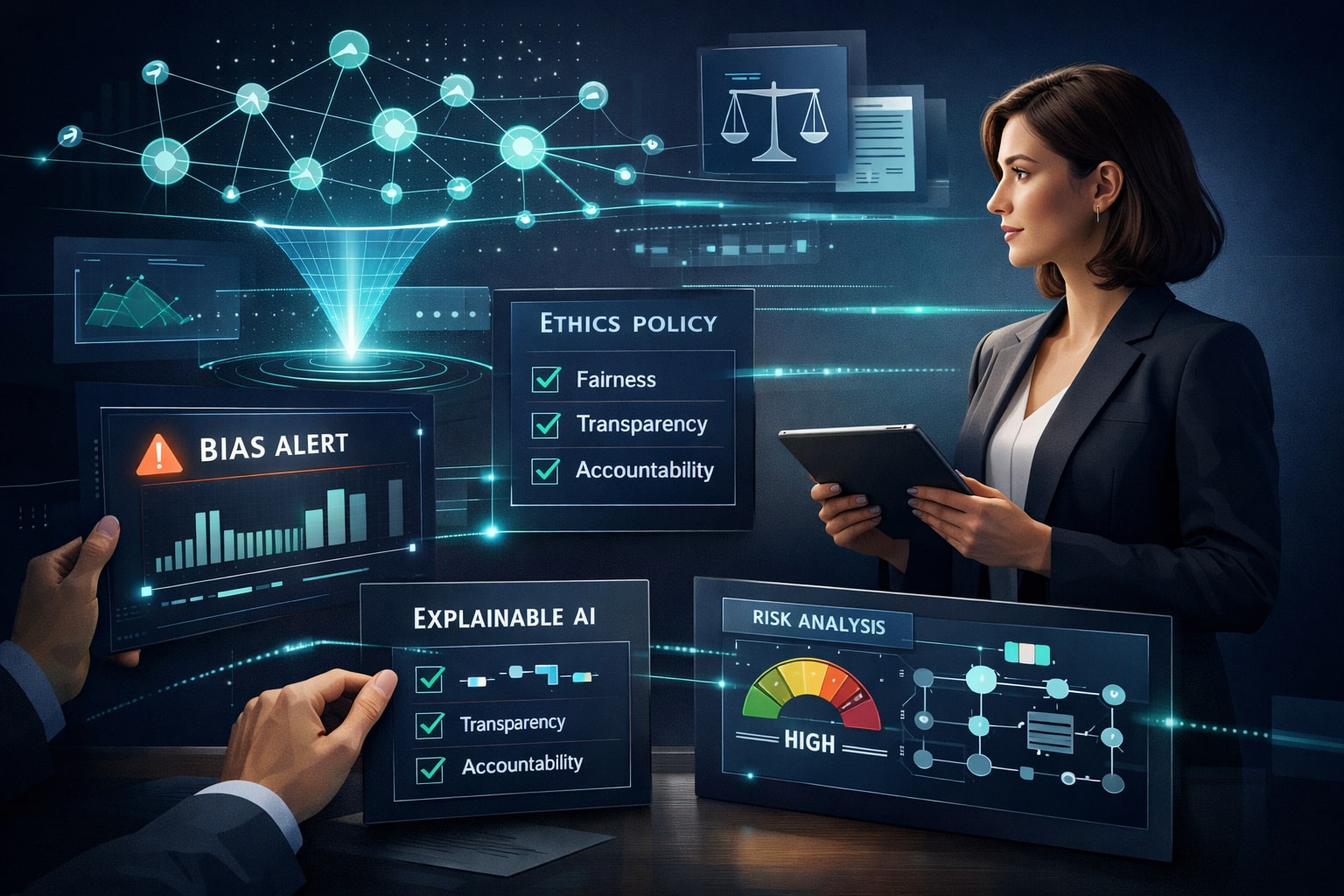
🌍 Ensure Ethical AI Deployment and Promote Responsible AI Practices in Our Organization
Fixed Price